


Geef feedback
Fabrikanten van vloeibaar/poeder kaliumsilicaat
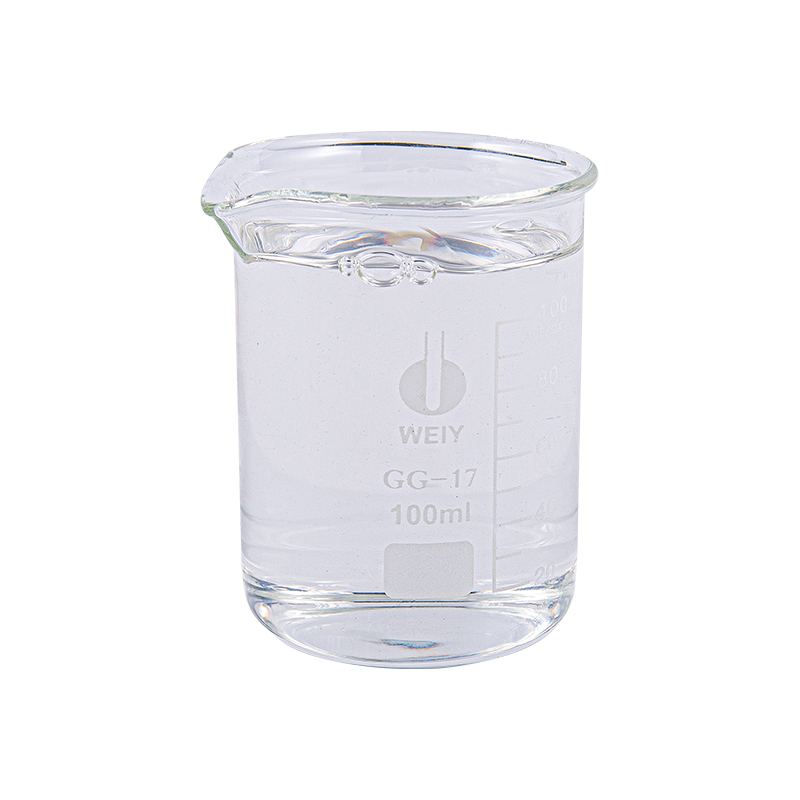
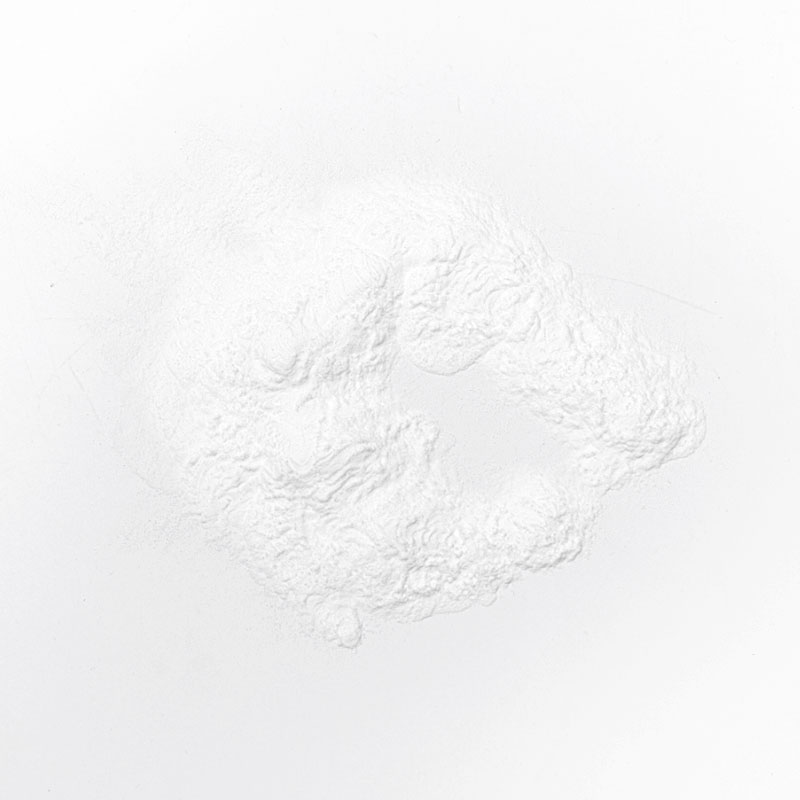
Kaliumsilicaat
Chemische formule : K 2 SiO 3 of K 2 OnSiO 3
Belangrijkste toepassingen :
Coatings : het produceren van hittebestendige en weerbestendige coatings (zoals anorganische zinkrijke coatings).
Laselektrode : Kleefstof voor het coaten van laselektroden.
Landbouw : Landbouwmeststoffen
Keramiek en glas : Speciale glasproductie,
Katalysator drager : Toepassing in de chemische industrie
Over
Tongxiang Hengli Chemisch Co., Ltd.
Tongxiang Hengli Chemisch Co., Ltd. is gespecialiseerd in de productie van anorganische siliciumproducten, wij zijn China Fabrikanten van vloeibaar/poeder kaliumsilicaat En
Groothandel in vloeibaar/poeder kaliumsilicaat, Onze producten bestaan uit meer dan 30 productvarianten, waaronder natriumsilicaat, kaliumsilicaat, lithiumsilicaat, silicasol, kaliummethylsilicaat en anorganische, hittebestendige lijmen. Wij bieden OEM-verwerking, neem gerust contact met ons op voor het aanpassen van verschillende moduli en concentraties. Vloeibaar/poeder kaliumsilicaat.
Het bedrijf verhuisde in 2015 in zijn geheel naar de Fengming Economic Development Zone in Tongxiang City, met een oppervlakte van 18 hectare en een bebouwde oppervlakte van bijna 30.000 vierkante meter. Het bedrijf heeft één technisch medewerker op nationaal niveau en drie senior technisch medewerkers.
Integreer productontwikkeling, productie en verkoop! Het product wordt veel gebruikt in sectoren zoals elektronica, kleding en papier, landbouw, watergedragen coatings, zandgieten, precisiegieten en vuurvaste materialen. Wij kijken ernaar uit om samen met u een betere toekomst te creëren!
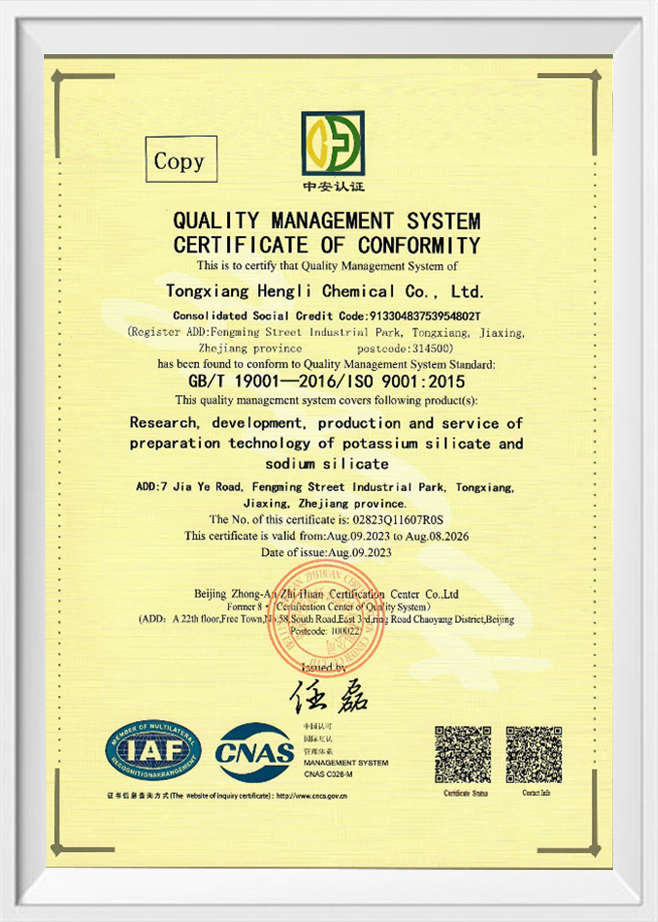
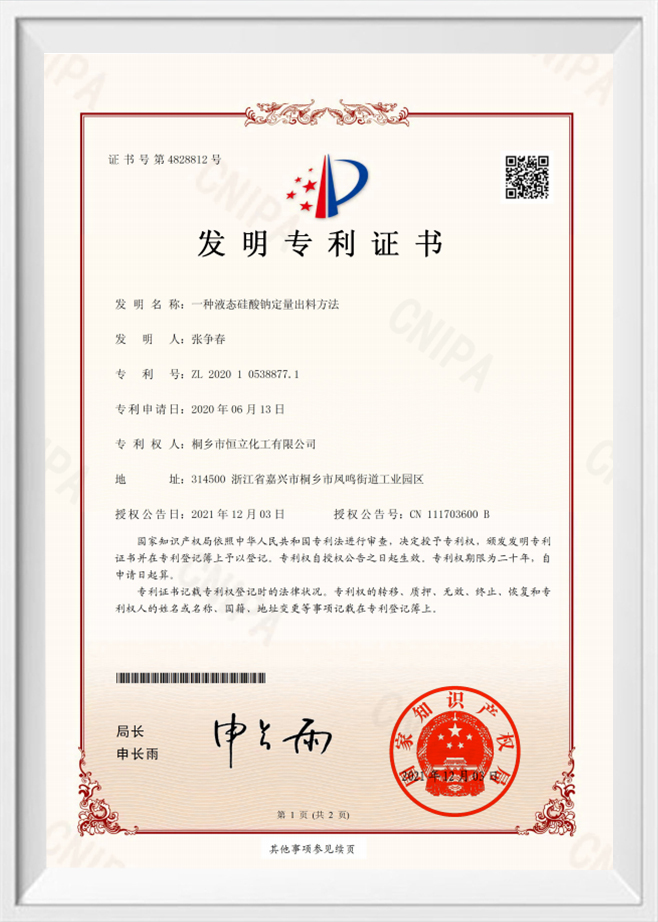
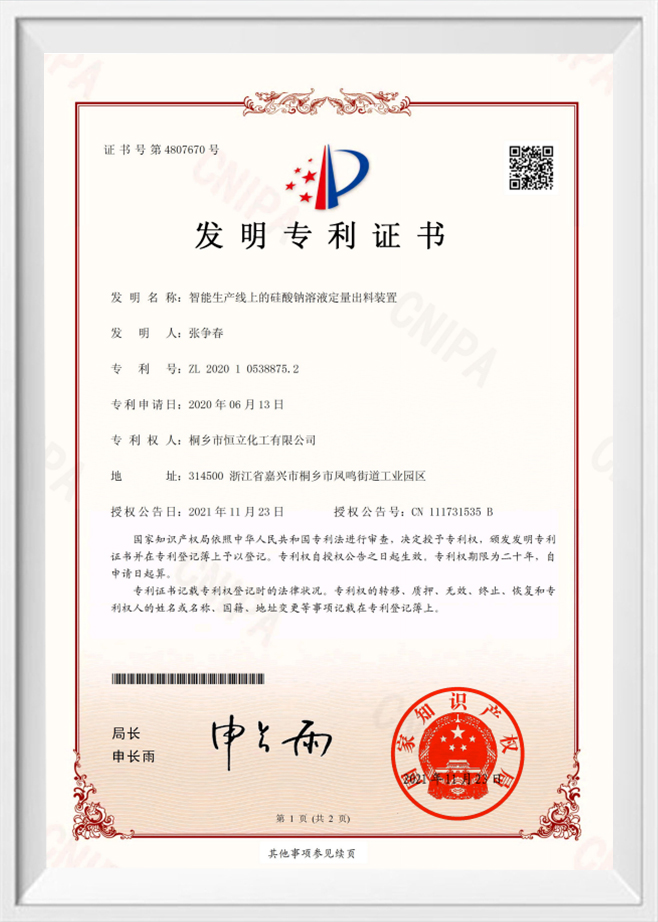
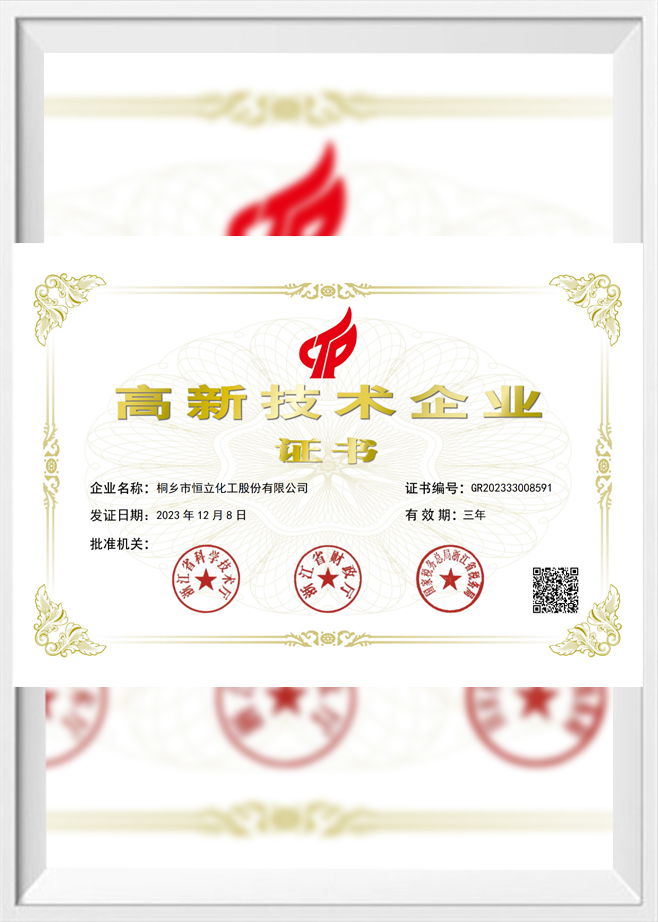
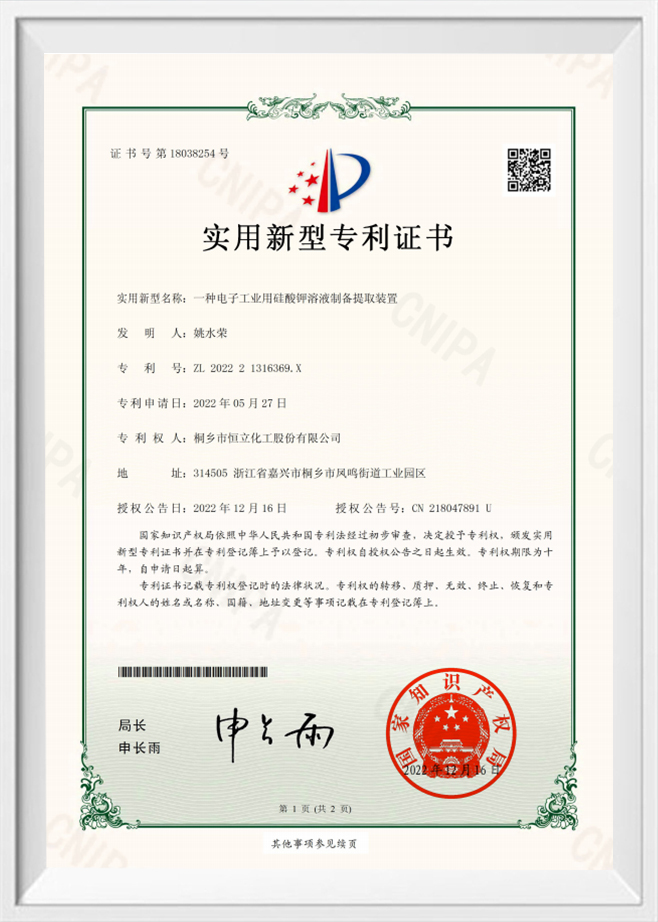
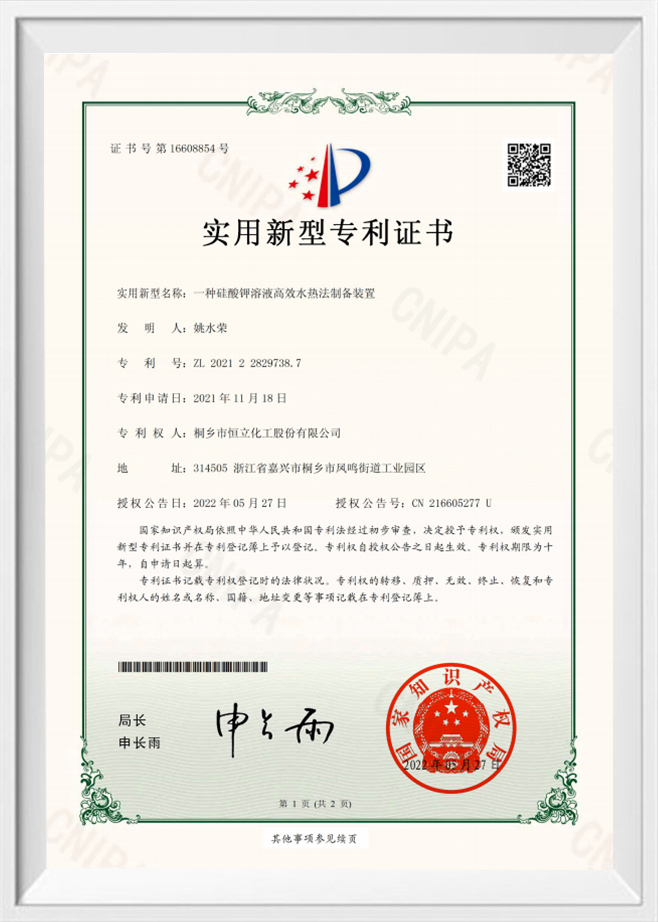
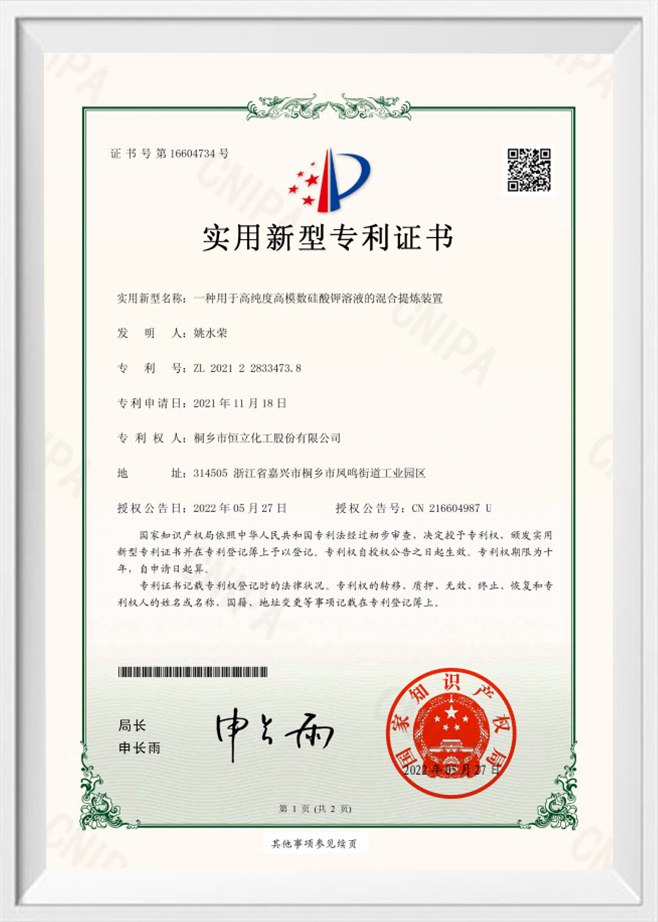
Certificaat van ere

Nieuws
-
Introductie De vervaardiging van kaliumsilicaat Solutions speelt een cruciale rol in verschillende industrieën, zoals de landbouw, de bouw en de chemische technologie. Deze oplossingen, vo...
LEES MEER -
Introductie De afgelopen jaren is de vraag naar hoogwaardige waterafstotende producten enorm gestegen als gevolg van de toenemende aandacht voor duurzaamheid en bescherming in verschillende industrieën....
LEES MEER -
Introductie Natriumsilicaatpoeder , gewoonlijk waterglas of vloeibaar glas in vloeibare vorm genoemd, is een zeer veelzijdige verbinding met een breed scala aan toepassingen in meerdere ind...
LEES MEER
Berichtfeedback
Kaliumsilicaat Kennis van de industrie
Application and performance advantages of potassium silicate in refractory materials
1. Basic properties of potassium silicate
Potassium silicate (K₂O·nSiO₂) is an inorganic compound with the following key characteristics:
High bonding: It can form a stable structure with a variety of inorganic materials (such as alumina and silica).
High temperature resistance: The decomposition temperature is usually over 1000°C, suitable for high temperature environments.
Chemical stability: It is acid-resistant and oxidation-resistant, and performs well in metallurgical and chemical environments.
Environmental protection: It is non-toxic and free of volatile organic compounds (VOC), which is in line with the trend of green industry.
2. Main applications in refractory materials
Potassium silicate is widely used in the following refractory fields as a binder or additive:
Refractory castables: Improve overall strength and thermal shock stability (such as blast furnace linings and kiln repairs).
Refractory coatings: Coating metal or ceramic surfaces to enhance resistance to high temperature oxidation and corrosion.
Refractory brick binder: Replaces traditional phosphates and reduces brittleness at high temperatures.
Ceramic fiber products: Fixes fiber structure and improves thermal insulation (such as aerospace thermal insulation layer).
3. Performance advantage analysis
Compared with traditional refractory binders (such as sodium silicate and phosphate), the advantages of potassium silicate include:
(1) Excellent high temperature resistance
Potassium silicate exhibits excellent stability in high temperature environments. Its decomposition temperature is usually over 1000°C, and some modified products can even withstand extreme conditions above 1300°C. In contrast, sodium silicate is easy to soften at high temperatures, while phosphates may become brittle during long-term high-temperature use. This makes potassium silicate an ideal choice for high-temperature industrial scenarios such as metallurgy and glass kilns.
(2) Higher bonding strength and structural stability
Potassium silicate forms a Si-O-K three-dimensional network structure after solidification, giving the refractory material higher mechanical strength. Experimental data show that the flexural strength and compressive strength of refractory castables using potassium silicate as a binder can be increased by 20% to 30%, while reducing the risk of structural deformation at high temperatures.
(3) Excellent thermal shock resistance
Due to the low thermal expansion coefficient of potassium silicate, the refractory material bonded with it is not easy to crack when experiencing drastic temperature changes (such as the start-up and shutdown process of the kiln). This feature significantly extends the service life of the refractory lining and reduces maintenance costs.
(4) Excellent chemical corrosion resistance
Potassium silicate shows strong resistance to acidic slag, molten metal and alkaline environments, and is particularly suitable for industrial equipment that is susceptible to corrosion, such as steel smelting and chemical reactors. In contrast, traditional phosphate binders are prone to failure under acidic conditions.
(5) Environmental protection and safety
Potassium silicate does not contain volatile organic compounds (VOCs) and does not release toxic gases at high temperatures, which complies with EU REACH regulations and green manufacturing trends. In addition, its production and use process has little impact on workers' health and the environment, and is suitable for industries with strict environmental protection requirements (such as food-grade glass kilns).
(6) Construction and process adaptability
Potassium silicate can be formulated in liquid or powder form, which is convenient for different construction processes such as spraying, pouring or dipping. Its curing time can be flexibly controlled by adjusting the modulus (SiO₂/K₂O ratio) or adding accelerators (such as aluminates) to meet diverse production needs.
4. Industry Challenges and Solutions
Slow curing speed: The reaction can be accelerated by adding nano-silica or metal oxides.
Higher cost: Compared with sodium water glass, the price is 10%~15% higher, but it can be offset by performance premium.
Storage stability: It needs to be sealed and moisture-proof. It is recommended to use modified potassium silicate liquid (such as adjusting the modulus to 2.5~3.5).

Producten
Natriumsilicaat Kaliumsilicaat Lithiumsilicaat Natriummethylsilicaat Kaliummethylsilicaat Silica Sol Anorganische coatings en bindmiddelen VloersysteemContact
Add:Nr. 7 Jiaye Road, Tongxiang City, provincie Zhejiang, China Telefoon:+86-15257095913 Tel: +86-0573-88980238 Mob: +86-0573-88980238 E-mail:[email protected]
Copyright © 2024 Tongxiang Hengli Chemisch Co., Ltd. Alle rechten voorbehouden.
Groothandel in vloeibare/poedervormige kaliumsilicaatfabrikanten
